
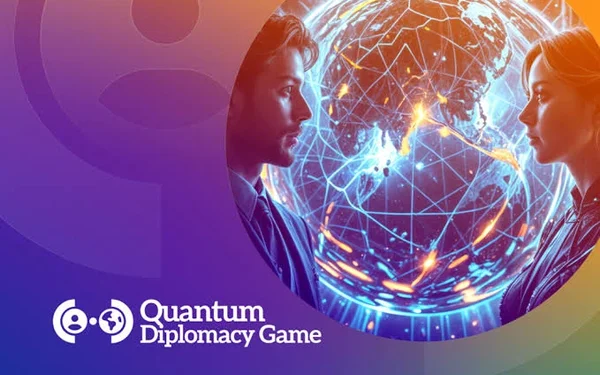
-
 Jessamy Perriam
Fellow, College of Systems & Society
Jessamy Perriam
Fellow, College of Systems & Society
-
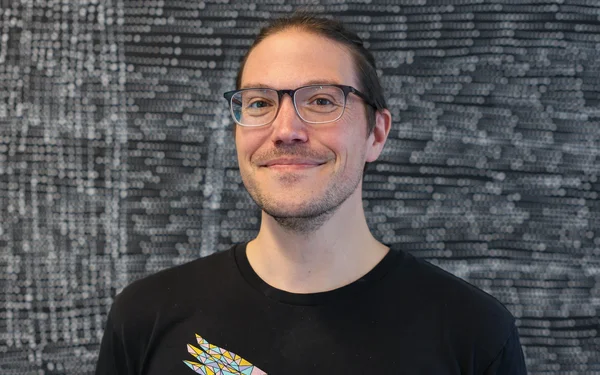 Thomas Biedermann
Collaborator, School of Cybernetics
Thomas Biedermann
Collaborator, School of Cybernetics
About this KNoT
What You’ll Learn
This serious game will take participants through an international negotiation process to attempt to agree upon a way to harness this technology. Your game facilitators will be Dr Jessamy Perriam and Thomas Biedermann.
This KNoT requires a minimum of 15 participants to go ahead and is capped at 30 participants. Please RSVP by Friday the 2nd of October so we can prepare materials ahead of the session.
Tips & Advice
How to Complete This KNoT
Submit your Completion Task here:
Submit your completion task for this KNoT via the Qualtrics survey (ANU Login required). You have 10 calendar days after the KNoT to submit it.
Writing your reflection
Most completion tasks ask you to reflect on what you did. For prompts, sentence starters, and the five areas a strong reflection covers, see Writing Your Reflection. Your completed tasks come together at the end of the semester in the Completion Evidence.
Poster preview
Learn With Us
Gameful Learning: Quantum Diplomacy
A serious game that explores how we collaboratively make decisions about future technologies. The year is 2035. Come and play!
Date: Friday 9 October 2026 11am–2pm
Led by: Jessamy Perriam and Thomas Biedermann
Location: JoY: John Yencken [45], Ground Floor
Skills you’ll develop:
- Negotiation
- Decision-Making Under Uncertainty
- Futures Thinking
This is a workshop in the SoCIETIE Initiative: a 6-unit transdisciplinary course open to all students. You don’t need to be in the class to join. RSVP to secure your spot.

 McCusker
Institute
Connect. Engage. Inspire.
Click any line on the tile to shorten or reword it. Keep it to what the page already says.
People who attended this KNoT might also enjoy…

Presentations that Don’t Suck (and that are creative and connect with others)!
Wed 14 Oct 2026, 1:00 PM – 4:00 PM
Um, ah, blank stares, death by bullet point — let's fix all of it, together.
Zine Making: Communicating with Graphics
Mon 12 Oct 2026, 1:00 PM – 4:00 PM
This is a hands-on workshop where we’ll use drawing, comics, and zine-style layouts to explore how to express complex ideas in simple, creative ways. No...
I'm attending
Gameful Learning: Quantum Diplomacy
Fri 9 Oct, 11am · JoY: John Yencken
Led by Jessamy Perriam and Thomas Biedermann