

Thomas Biedermann — Collaborator (School of Cybernetics)
About this KNoT
What You’ll Learn
This serious game will take participants through an international negotiation process to attempt to agree upon a way to harness this technology. Your game facilitators will be Dr Jessamy Perriam and Thomas Biedermann.
This KNoT requires a minimum of 15 participants to go ahead and is capped at 30 participants. Please RSVP by Friday the 2nd of October so we can prepare materials ahead of the session.
Tips & Advice
How to Complete This KNoT
Writing your reflection
Most completion tasks ask you to reflect on what you did. For prompts, sentence starters, and the five areas a strong reflection covers, see Writing Your Reflection. Your completed tasks come together at the end of the semester in the Completion Evidence.
People who attended this KNoT might also enjoy…

Presentations that Don’t Suck (and that are creative and connect with others)!
Wed 14 Oct 2026, 1:00 PM – 4:00 PM
Um, ah, blank stares, death by bullet point — let's fix all of it, together.
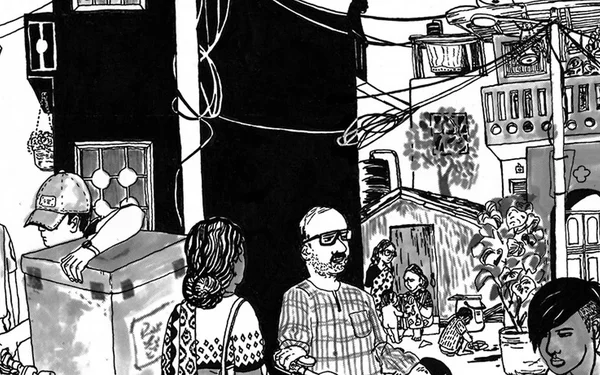
Zine Making: Communicating with Graphics
Mon 12 Oct 2026, 1:00 PM – 4:00 PM
This is a hands-on workshop where we’ll use drawing, comics, and zine-style layouts to explore how to express complex ideas in simple, creative ways. No...